
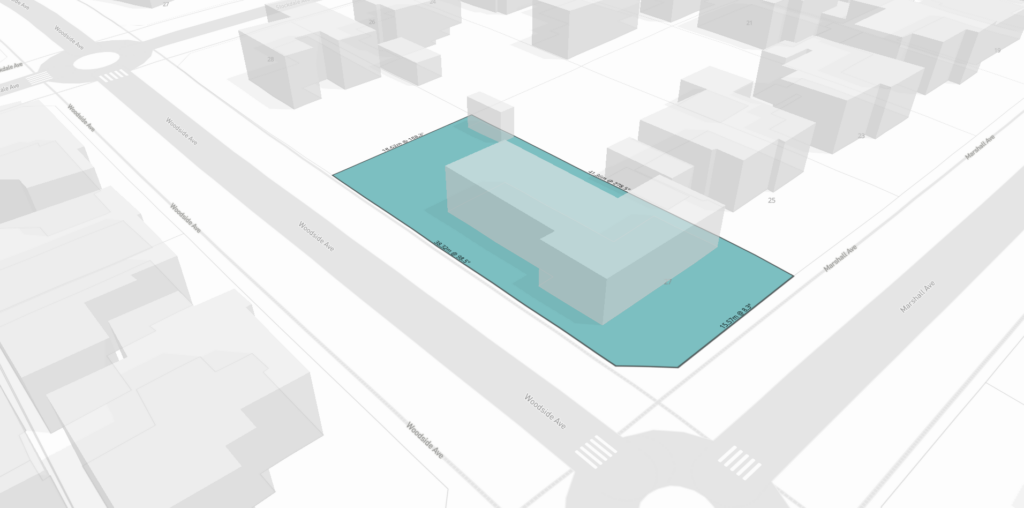
Suburb Overview
Over the past year, Clayton has consolidated its status as a major education and health precinct, underpinned by the expansion of Monash University, Monash Medical Centre, and the long-term infrastructure uplift associated with the Suburban Rail Loop (SRL East), reinforcing both owner-occupier and investor confidence. While detached house medians sit in the mid–$1.3M to low–$1.4M range depending on land size, the medium-density market has shown bifurcation: townhouses have outperformed due to limited “missing middle” supply and stronger appeal to families and downsizers, recording approximately 6–10% annual growth, whereas apartments—particularly older high-density stock—have experienced more moderate growth, primarily supported by resilient rental demand from university and hospital staff. For a project at 193–195 Clayton Road, well-designed 3–4 bedroom townhouses within walking distance of Clayton Station and the activity centre are currently achieving circa $1.15M–$1.30M depending on specification and street presence, while newer boutique apartments in the immediate precinct typically transact in the $520,000–$750,000 range (configuration dependent), with premium finishes, architectural façades, and proximity to transport continuing to command a measurable pricing premium.
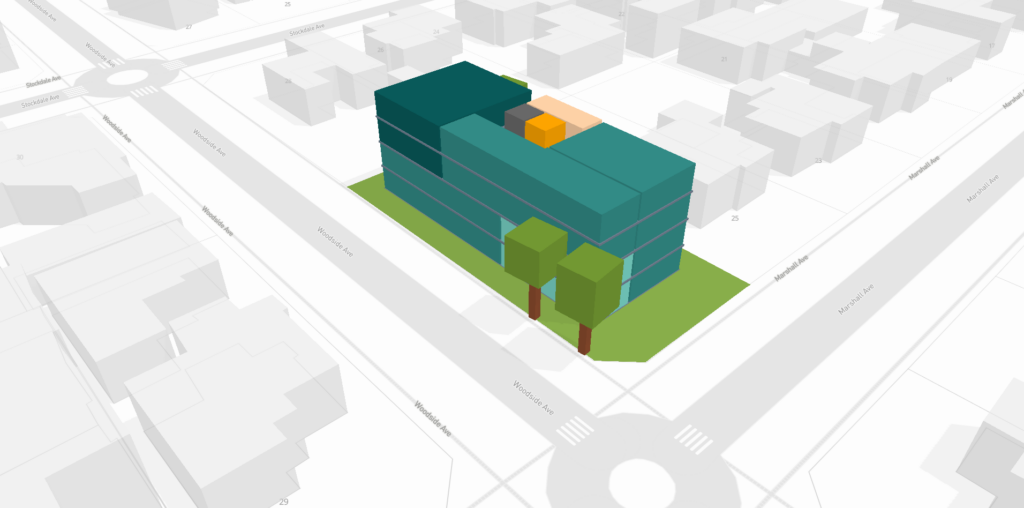
Apartment option
“Build to Rent” (BTR) strategy, taking full advantage of the RGZ3 zoning.
Scope: 19 units (apartments).
Revenue: Significantly higher gross realization of $11,666,833, plus a projected holding income of $2.44M.
Financials:
Total Costs: Escalates to $10.36M, with construction costs alone at $7.07M.
Equity Required: A substantial $7.2M investment.
Performance: While the total profit is higher ($2.21M), the IRR (15.73%) and Annual Return (3.91%) are lower than the townhouse option due to the higher capital requirements and longer project timeline (7 years vs. 2 years).
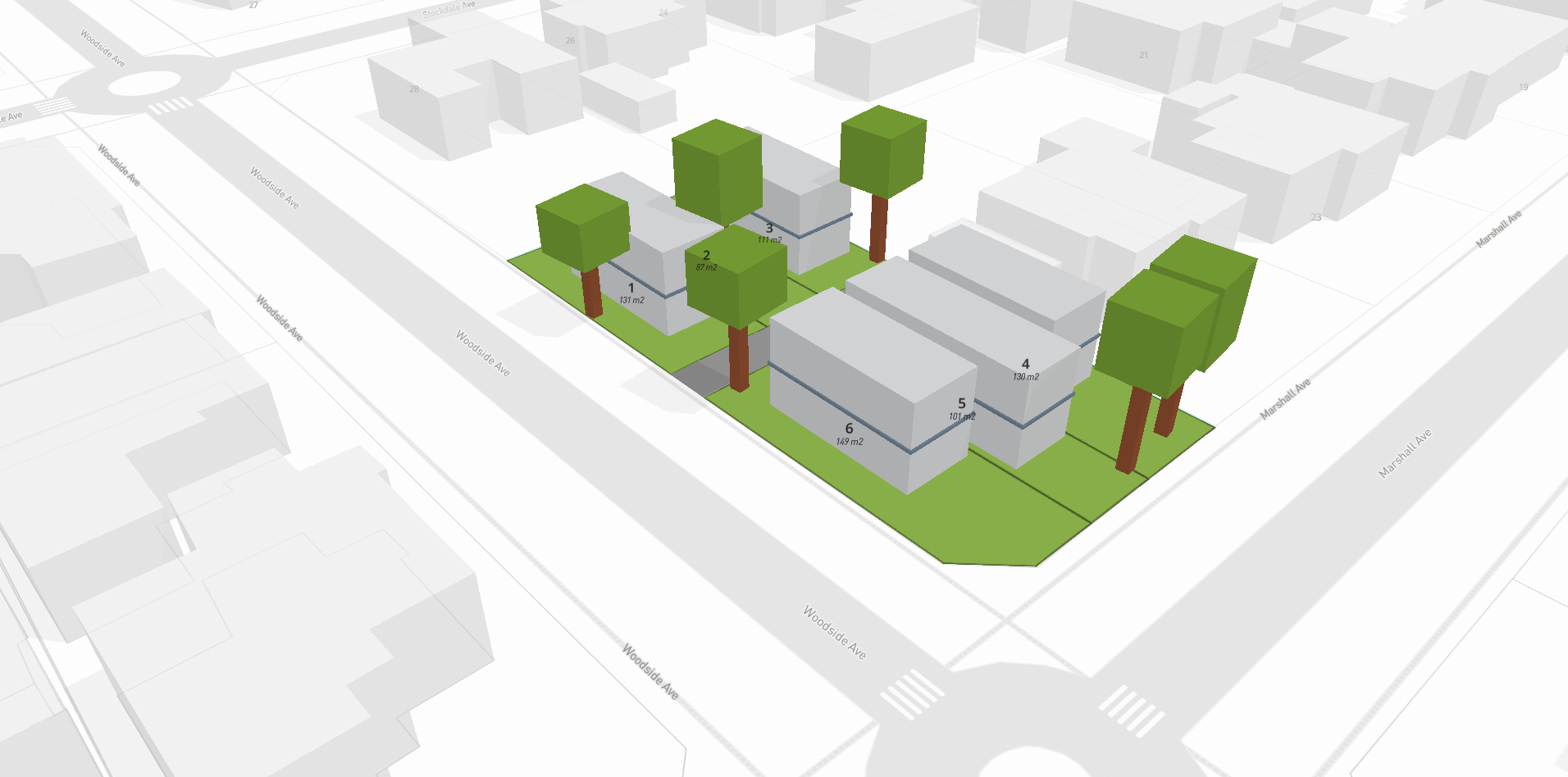
Townhouses option
“Build to Sell” (BTS) strategy with a focus on medium-density housing.
Scope: 6 dwellings (townhouses).
Revenue: Projected gross revenue of $5,426,080, driven by:
1 x 3Bed/2Bath/2Car unit ($1,098,900)
4 x 2Bed/2Bath/1Car units ($849,420 each)
1 x 2Bed/2Bath/1Car unit ($929,500)
Financials:
Total Costs: Approximately $3.97M (after GST claims), including a $1.5M land value and $2.18M in construction.
Profit (NPBT): $745,705.
Performance: A Return on Equity (ROE) of 17.78% and an IRR of 24.50%.
Conclusion
While the townhouse development offers a higher IRR of 24.50% and quicker capital turnaround, the 19-unit apartment strategy generates a significantly larger total profit of $2.21M, making the choice a trade-off between immediate efficiency and long-term wealth extraction from the site’s high-density zoning. while Clayton’s RGZ3 zoning supports the 19-unit apartment build, the current 2026 economic environment favors the 6-unit townhouse model for developers seeking higher efficiency and better risk-adjusted returns (IRR).